
This Is What Happens When a Brand Knows Exactly Who It’s For: Lessons from the Millennials Cookout
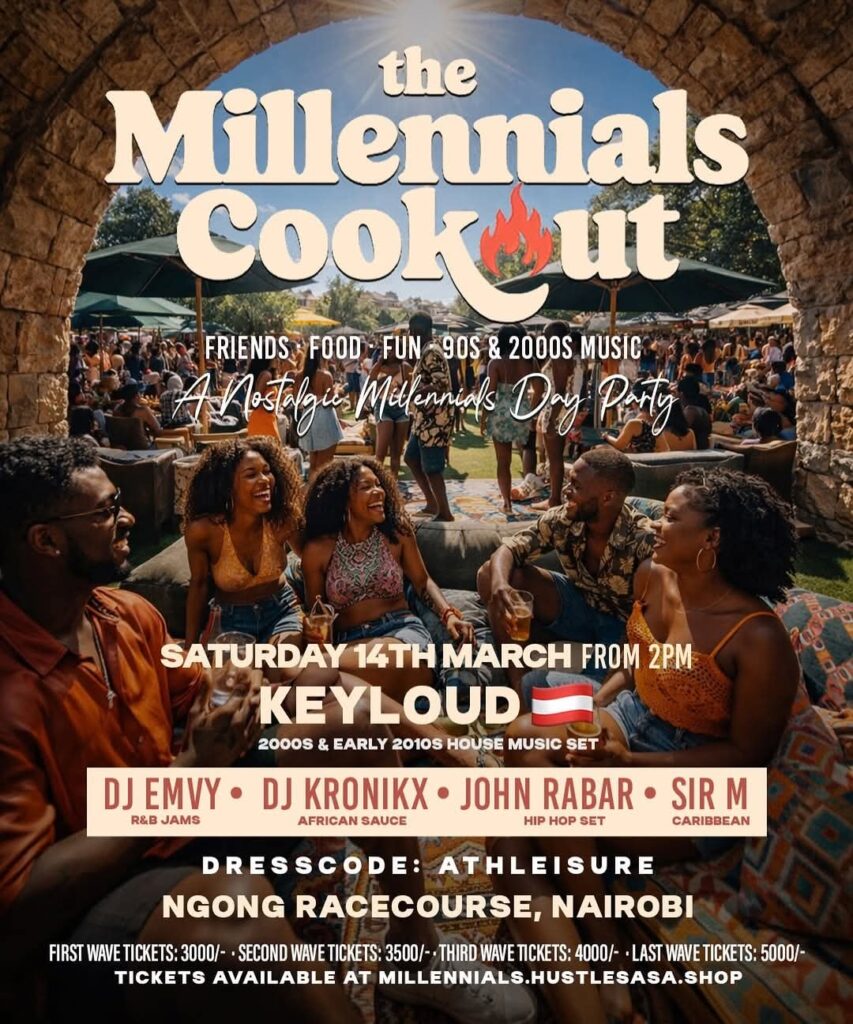
There’s something powerful about watching a brand come to life exactly as it was intended.
The Millennials Cookout is one of those experiences, and one of the strongest recent examples of event marketing in Kenya done right. Not just because of the turnout, or the energy, or even the consistency over time, but because of how clearly it understands its audience. You feel it before you even get to the venue. In the way it is marketed, in the conversations around it, in the anticipation it builds. And once you’re there, everything simply makes sense.
As a marketer observing it within the Kenyan context, what stands out is not just that it works, but why it works. At its core, the Millennials Cookout is built on clarity. It is not trying to appeal to everyone. It is not stretching itself across demographics. It knows exactly who it is for, and that decision simplifies everything else. This is what effective target audience marketing looks like in practice. The music choices feel familiar. The tone feels natural. The references land effortlessly. Nothing feels forced or overly curated for effect.
There is also a strong sense of cultural understanding. The 90s and early 2000s theme is not just a creative direction. It is an emotional one. It taps into memory, identity, and shared experiences in a way that feels authentic. For a generation that grew up in that era, this is more than entertainment. It is recognition. This is where experiential marketing becomes powerful, when the audience is not just attending, but connecting.
But beyond the branding and nostalgia, there is a very practical layer that is often overlooked in conversations about successful events, the experience itself. Millennials, as an audience, value comfort just as much as they value atmosphere. Seating matters. Space matters. Food quality matters. Even the state of facilities matters. These are not small details. They shape how long people stay, how they engage, and whether they return. In strong hospitality and events marketing, these details are not extras. They are part of the core strategy.
Another important element is accessibility.
The pricing of the event is particularly interesting because it reflects an understanding of the audience’s reality. It is not positioned as an exclusive experience meant to lock people out. Instead, it strikes a balance. It is accessible enough for the target market to participate, while still aligning with the quality of the experience being offered. That balance builds trust. People feel like they are getting value, not just access. This is a key part of marketing strategy for events, understanding both perception and participation.
The lineup also plays a critical role, but not in the way many events approach it. It is not about chasing the biggest names for the sake of visibility. It is about relevance. The artists, DJs, and hosts feel like a natural extension of the audience’s taste, not a performance for it. That distinction is subtle, but it is powerful.
There is also consistency. From social media to the physical experience, the brand feels the same. The language, the visuals, the energy all align. The experience does not start at the gate. It starts long before, in how the event is communicated and perceived. By the time people arrive, they already know what they are stepping into. This is where brand strategy in Kenya becomes visible, when every touch-point reinforces the same message.
What makes the Millennials Cookout successful is not any one of these elements on its own. It is, in essence, the alignment of all of them. Clear audience. Cultural relevance. Thoughtful experience. Accessible pricing. Consistent communication. Nothing is left to chance, and that is the real lesson.
In a market where many businesses are trying to be everything to everyone, this is a reminder of what happens when you are precise. When you understand your audience deeply enough to build for them intentionally. When you stop guessing, and start designing.
Because when that clarity exists, marketing becomes easier. Messaging becomes natural. And the brand stops feeling like something being sold and starts feeling like something people belong to.